
Trees stand quietly across city blocks, offering green glimpses and cool spots under their leaves because they filter what we breathe. Yet one that wavers in strength might shift from a peaceful presence into something risky without warning. In places packed with movement, such as New York, where space between buildings shrinks tighter than ever, a weakening trunk is not simply about upkeep; it becomes a danger waiting to tip. Spotting the moment it stops being part of nature’s gift starts becoming urgent for anyone responsible for the land. Spotting trouble signs fast means you can step in before things spiral when pressure builds or chaos hits.
1. Sudden Leaning and Root Failure
A sharp lean appearing overnight, not gradual like shade-seeking trunks often do, this kind of abrupt change shouts internal collapse. When a previously upright tree starts listing sideways without warning, particularly after drenching rains or gusty weather, something beneath has given way. City ground soaks up water fast, turning mushy and stripping away grip from deep-rooted anchors meant to keep giants steady. To spot this hazard, check the earth across from where the trunk tilts. Cracks in the dirt, grass rising up, or soil that bulges mean the roots are tearing free. The tree is not held anymore and could crash down without warning. Since it usually falls toward houses, cars, or walkways, shifted ground near a slanting trunk means experts need to step in fast.
2. Major Splits and Structural Cracks
Big splits or deep cracks running down the trunk are critical, as this central column holds up everything above. A fracture here means the core strength is giving way, like a pillar crumbling under silent pressure. Such breaks usually trace back to hidden rot or strain built over the years, now breaking through the bark. Light visible inside a fissure is not just damage; it is structural surrender. When the gap grows wider season by season, the backbone of the tree is quietly coming apart. This scenario grows critical when the separation happens right at the central fork, where two thick branches join in a sharp V. Where these trunks press close, bark gets locked inside, blocking proper wood bonding. A small fracture there turns dangerous fast as the limb mass works like a crowbar, forcing the split wider. If that section is not taken down quickly, failure will happen, sending heavy chunks plummeting.
3. Internal Decay and Fungal Growth
Deep inside, trees sometimes crumble where eyes do not reach. Fungi creep through the heartwood, carving empty tunnels beneath bark that still clings tight, looking alive. When bugs join in, they chew pathways through weakened wood, a slow ruin building unseen. Outside might wear leaves like armor, standing tall under sun and storm alike. Yet hollowness saps strength from the center, making trunks twist too easily when wind pushes hard. That inner loss shows itself oddly, not always with cracks or splits but with flat mushrooms glued to the surface near the base. If you see deep cavities, open wounds, or patches where bark peels off, exposing mushy, broken wood, the tree’s strength is already gone. In New York City, gusts funneled between structures build fierce force; a weakened trunk cannot hold up. Once rot shows plainly near the ground or central stem, failure becomes likely. Taking it down fast is necessary.
4. Deadwood and Hanging Widowmakers
Deadwood high up in trees creates danger that is not always obvious. Or maybe it is just one heavy limb, lifeless and stiff, swaying slightly without warning. These broken parts do not bend like healthy ones; they crack instead. Without wind or rain, they might still give way. A single dangling branch, stuck halfway between breakage and collapse, looms silently overhead. Known by some as widowmakers, such hazards strike fast when gravity finally wins. Anyone passing beneath could find themselves in its path before knowing what fell. Dead branches hanging above a rooftop, power lines, or traffic turn risky fast. Do not sit around waiting for the wind to decide when they fall. Experts handle the job of securing and taking them out without putting anyone at risk. Once much of the top is lifeless, the whole tree is likely on its way out. Pulling it entirely makes sense for safety and saves trouble later.
5. Storm Damage Near Power Lines
Close to power lines after a storm hits, trees often move or drop branches onto high-voltage cables. That creates a risky mix of physical danger and live electricity. A tree touching a wire might carry current, making the trunk deadly to touch and the soil around it unsafe underfoot. Meanwhile, constant scraping from swaying limbs could spark flames along the conductors. Such damage may also knock out electricity across entire neighborhoods. Stay away from trimming trees close to power lines as this work needs pros who know the risks. When storms knock trees onto wires, step back fast and get help right away. If limbs touch live lines and spark or smoke, leave the spot without delay. Utility crews must handle these situations; it is not something to improvise. Quick action stops fires before they start, especially where homes sit close together. Safety comes first when electricity is involved; let trained responders take charge.
Trust the Professionals at Tree Cutting NYC
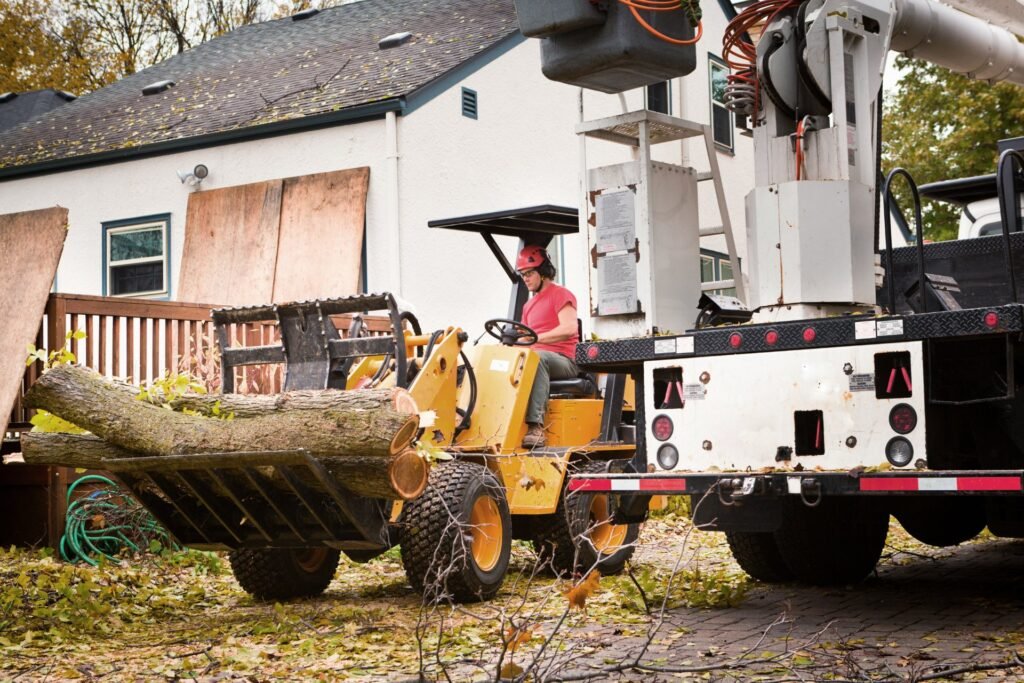
Leaning on Tree Cutting NYC means someone has got your back when trees turn risky. Handling danger up high takes more than guts; it requires sharp expertise, muscle from big machines, and knowing how trees live and break. Speed matters here. This city throws curveballs, tight spaces, sudden storms, and roots cracking pavement and we move before cracks become chaos. When limbs hang low or trunks split wide, waiting is not safe. That is where steady hands and local smarts make the difference. We know bark, branches, and what it means to protect your place. If you spot any of these warning signs, get in touch right away. Our skilled crew stands by to deliver fast Emergency Tree Service, protecting your home and stopping hazards before they spread. When a tree cannot be saved, our careful Tree Removal process brings it down cleanly, avoiding harm to surrounding buildings. We handle detailed Tree Pruning work by spotting fragile branches early so problems do not escalate. Reach out to Tree Cutting NYC now, keeping your outdoor area secure, steady, and looking sharp.