
Many homeowners think tree cutting is only necessary when a tree becomes dangerous or needs to be removed. In reality, strategic tree cutting and pruning play an important role in maintaining a healthy, balanced landscape. Removing damaged, diseased, or overcrowded branches allows trees and surrounding plants to thrive while improving the overall safety and appearance of your property.
Encourage Stronger Tree Growth
Over time, trees develop dead, weak, or overcrowded branches that compete for nutrients. Removing these branches allows the tree to focus its energy on healthy growth, resulting in a stronger and more balanced canopy.
Regular tree cutting also improves the tree’s natural shape and structural stability.
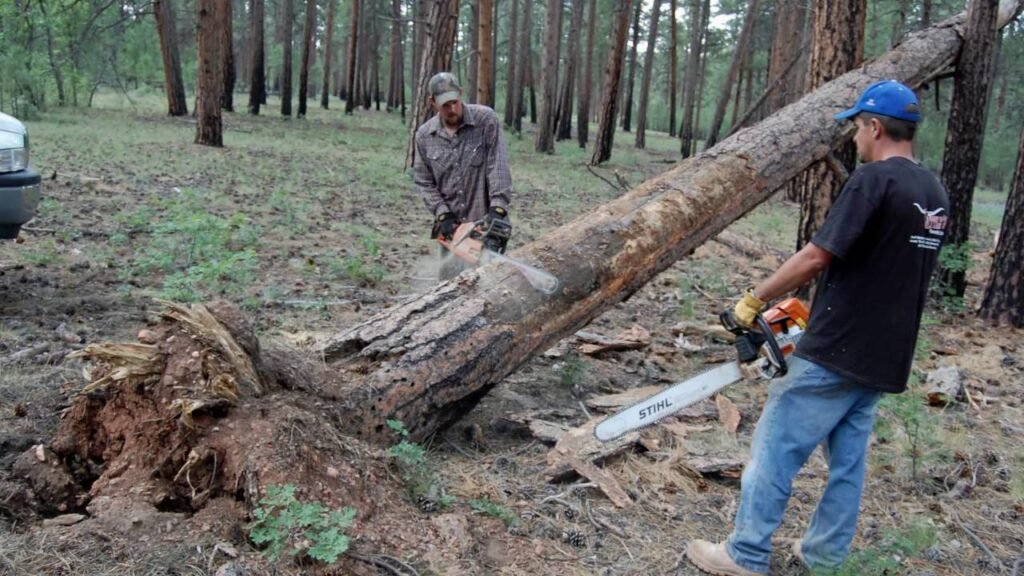
Improve Sunlight and Airflow
Dense tree canopies often block sunlight from reaching lawns, gardens, and smaller plants. Limited airflow can also create moist conditions that encourage fungal diseases.
Professional tree cutting helps:
- Increase sunlight penetration
- Improve air circulation
- Reduce excess moisture
- Support healthier surrounding vegetation
A well-maintained canopy benefits the entire landscape.
Prevent the Spread of Disease
Diseased branches can quickly affect healthy portions of a tree if they are not removed. Early tree cutting helps stop infections from spreading while protecting nearby trees and shrubs.
Routine inspections also allow professionals to identify signs of insect infestations before they become widespread.
Reduce Storm Damage Risks
Weak or overgrown branches are more likely to break during storms. Heavy limbs hanging over roofs, driveways, or sidewalks can cause expensive property damage if they fail.
Removing hazardous branches before storm season significantly reduces the likelihood of emergency tree removal.
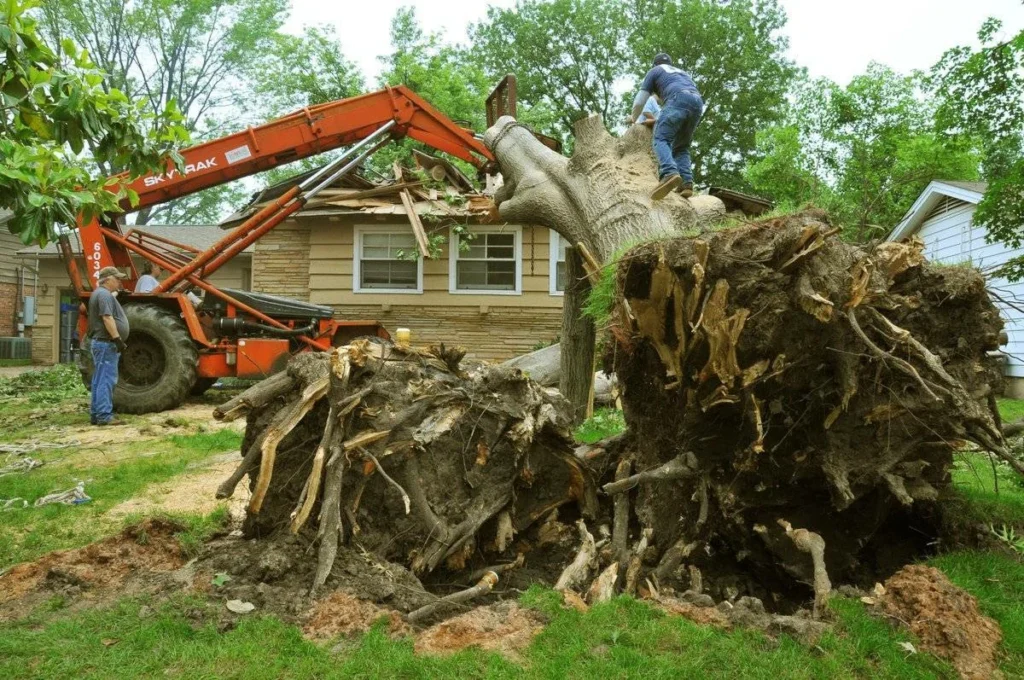
Protect Buildings and Utility Lines
Trees growing too close to structures can damage roofs, gutters, fences, and utility lines over time. Strategic tree cutting keeps branches safely away from nearby buildings while preserving the tree’s health and appearance.
Maintaining proper clearance also improves overall property safety.
Enhance Curb Appeal
Healthy, well-maintained trees create a clean and attractive landscape. Proper tree cutting improves the appearance of mature trees while allowing flower beds, lawns, and ornamental plants to receive more sunlight.
A beautiful landscape can increase property value and leave a positive impression on visitors and potential buyers.
When Should Tree Cutting Be Scheduled?
Professional tree cutting is recommended when you notice:
- Dead or damaged branches
- Overgrown canopies
- Branches touching buildings
- Limbs interfering with power lines
- Storm damage
- Signs of disease
- Uneven tree growth
Routine maintenance helps prevent these problems from becoming more serious.
Why Professional Tree Cutting Matters
Tree cutting requires proper knowledge, specialized equipment, and safe techniques. Incorrect cuts can weaken a tree, increase disease risk, or create long-term structural issues.
Experienced tree care professionals understand how to safely remove problem branches while protecting the health and beauty of the tree.
Conclusion
Professional tree cutting is about much more than improving appearance. It promotes healthier growth, reduces safety hazards, protects nearby structures, and strengthens the overall landscape. By investing in regular tree maintenance, homeowners can enjoy safer, healthier, and more attractive outdoor spaces while extending the life of their valuable trees.